APU hosted the National Psychology Work Groups Roundtable, convened by PSIMA, which brought together academics and practitioners to shape Malaysia’s 2026–2030 development agenda, highlighted psychology’s role in wellbeing, education, policy, and social cohesion, and produced outcomes that will inform national recommendations to the Prime Minister’s Office (PMO), reinforcing APU’s commitment to impactful education, research excellence, and nation-building.
Image
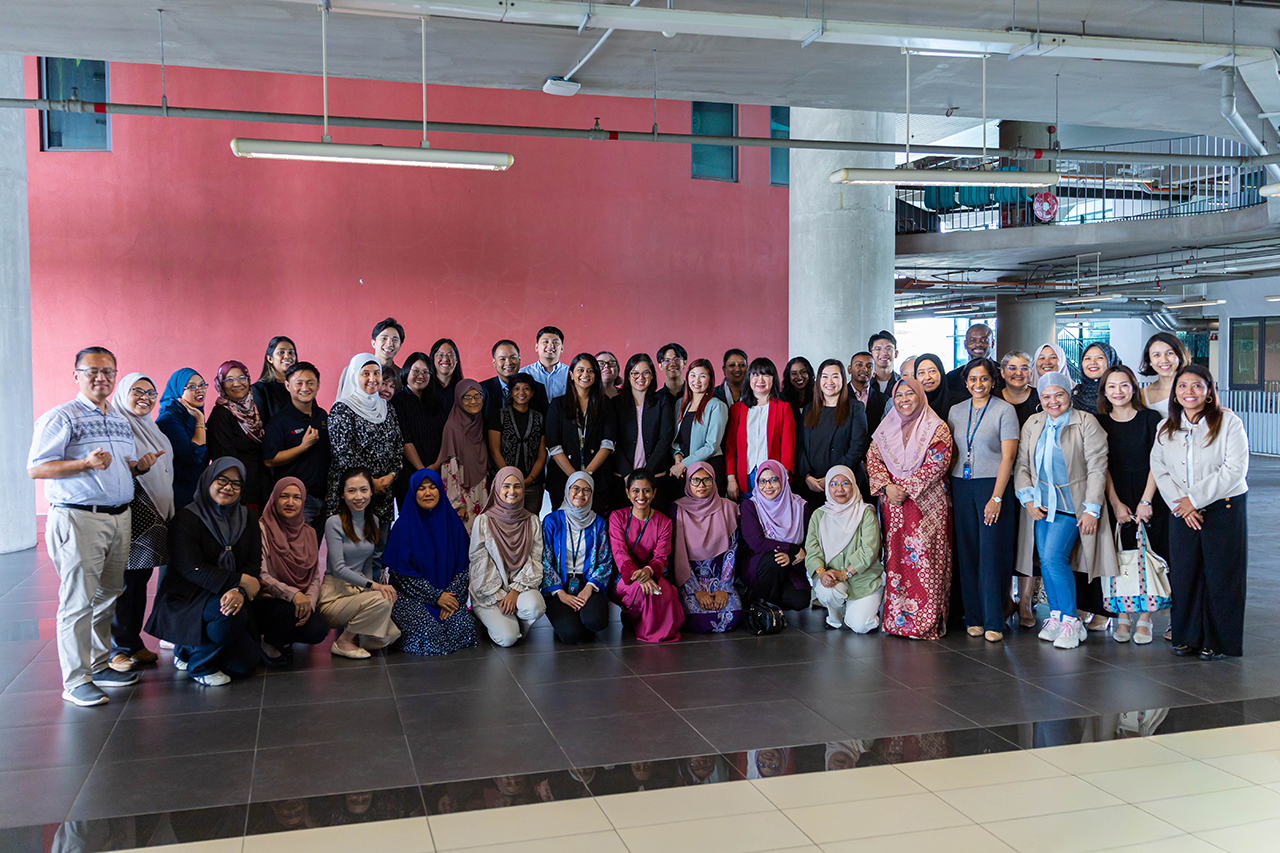
Asia Pacific University of Technology & Innovation (APU) proudly hosted the National Psychology Work Groups Roundtable, convened by the Malaysian Psychological Association (PSIMA), bringing together Heads of Departments, academics, and practitioners from universities across Malaysia.
Held on APU’s state-of-the-art campus, the roundtable marked a key national milestone in positioning psychology as a strategic pillar of Malaysia’s development agenda for 2026–2030.
The session opened with welcoming remarks and a ‘Purpose of Today’ briefing by Dr Goh Chee Long, Executive Council Member and Past President of PSIMA, and CEO of HELP University.
In his address, Dr Goh outlined how psychology would contribute directly to Malaysia’s national priorities through three critical pillars.
The first was the Five-Year Psychology for Nation-Building Plan (2026–2030), a roadmap placing psychology at the heart of efforts to nurture a resilient, cohesive, and high-functioning society.
The second pillar focused on Ten Key Indicator Areas, a framework designed to measure and strengthen psychological wellbeing, community resilience, professional standards, and national readiness for future challenges.
The third pillar addressed the Malaysian Psychology Bill, a legislative pathway to regulate practice, protect public interest, and elevate professional standards. Collectively, these pillars provided a shared vision for national transformation.

Discussions across the ten Key Indicator Areas were rigorous, forward-looking, and deeply collaborative.
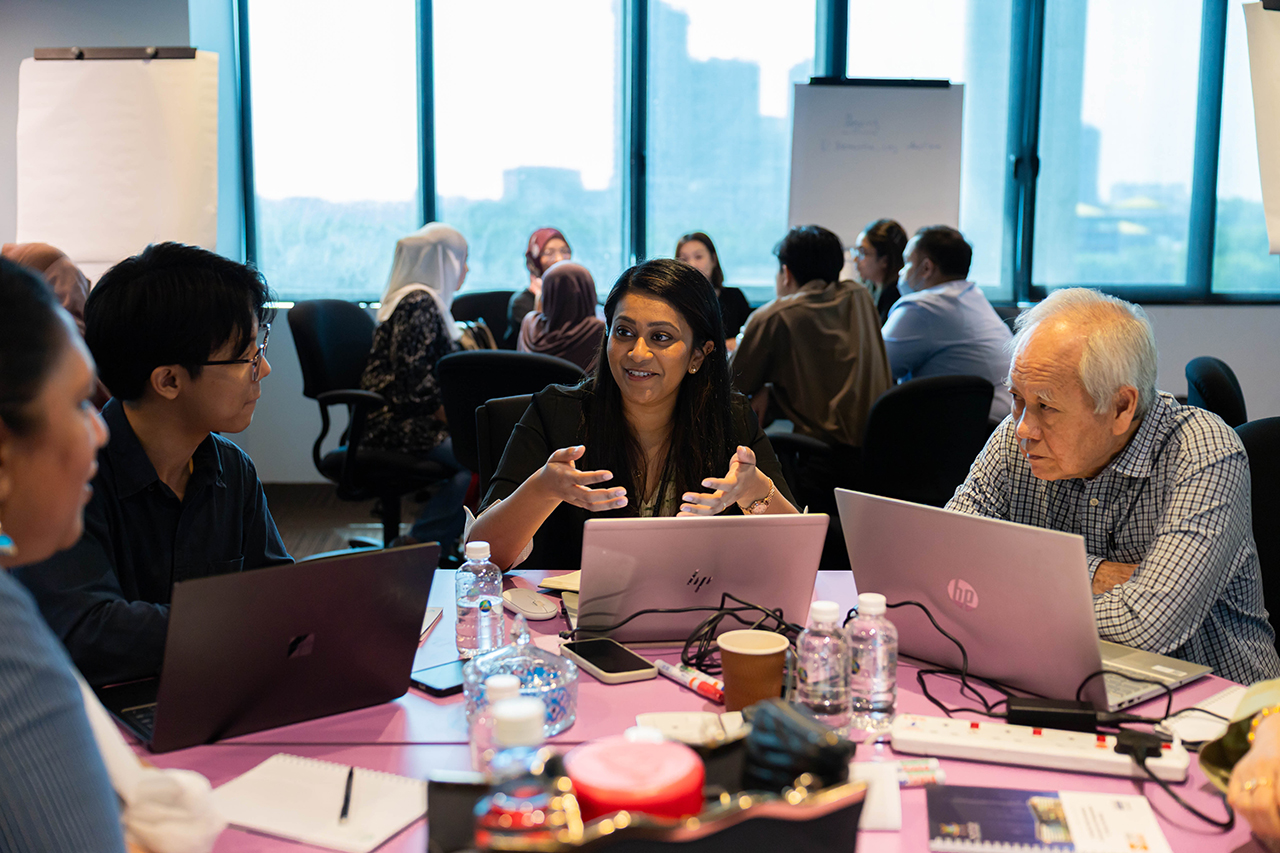
Participants explored how psychology can support sustainable development, enhance community mental health literacy, inform policy, prepare youth for an uncertain future, and elevate Malaysia’s research and innovation globally.
A strong consensus emerged that psychology extends beyond academia and clinical practice: it is a national asset with relevance to education, industry, public policy, digital wellbeing, workforce resilience, and social cohesion.
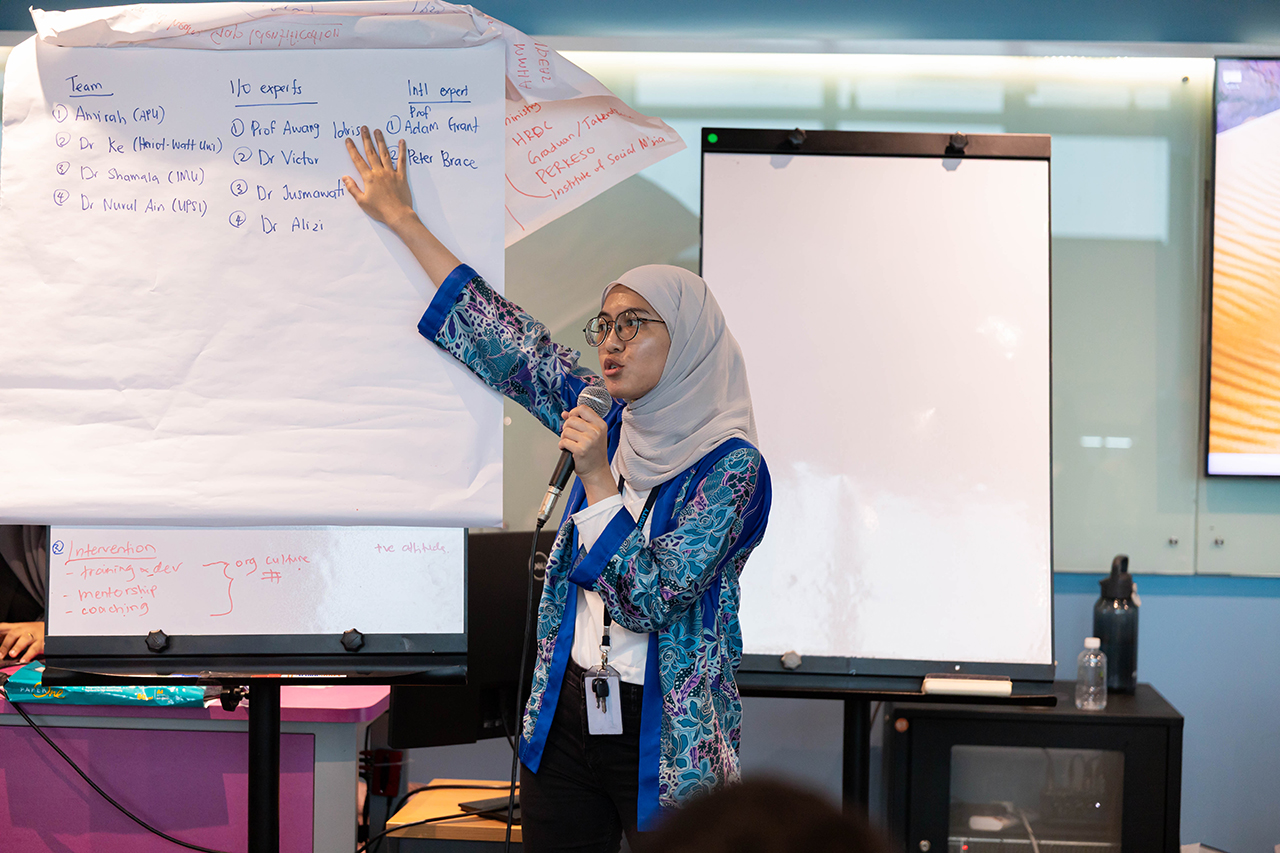
The dialogue aligned closely with Malaysia MADANI values, emphasising psychology’s role in upholding human dignity, fostering social harmony, and supporting inclusive, sustainable progress.
As Malaysia faces global challenges such as AI disruption, rising mental health demands, and workforce transformation, the roundtable affirmed that psychological science and practice will serve as a key national advantage.
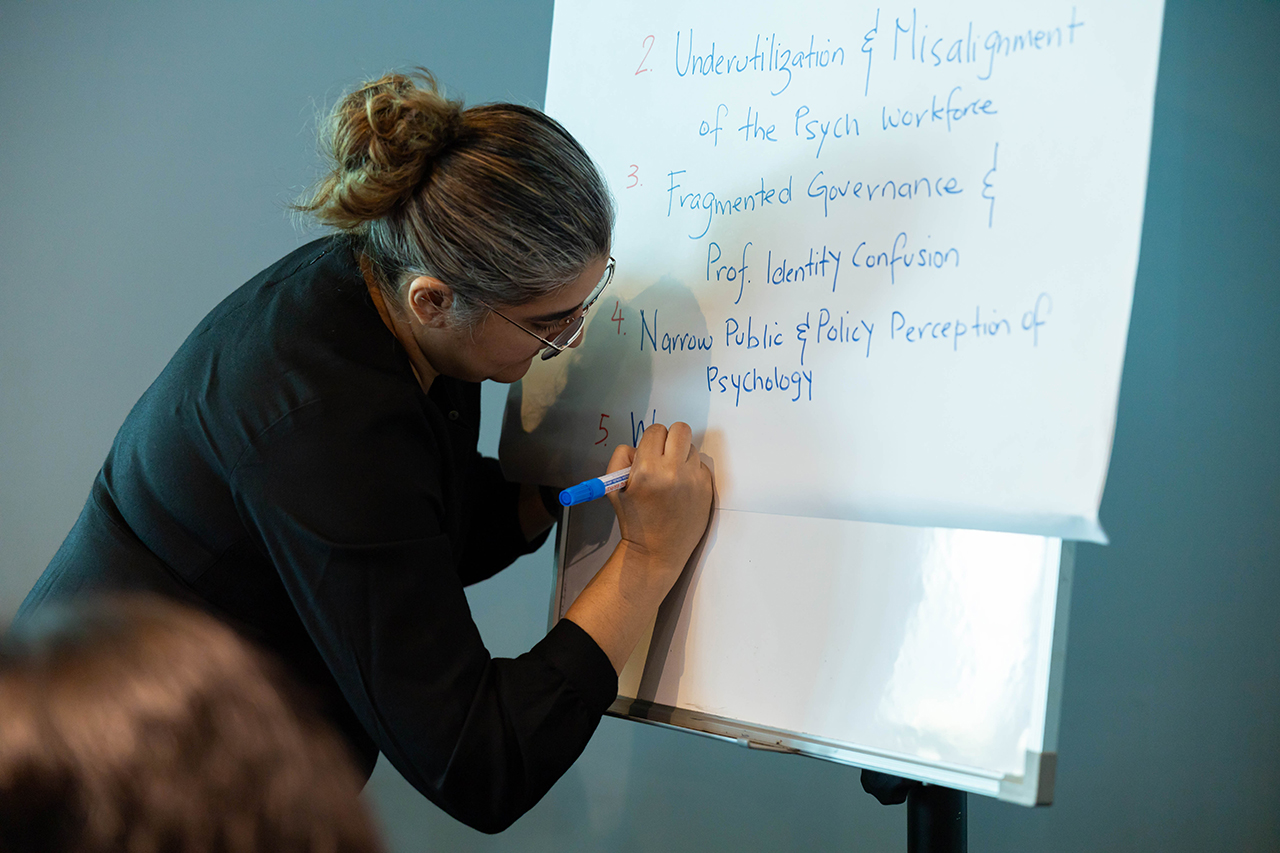
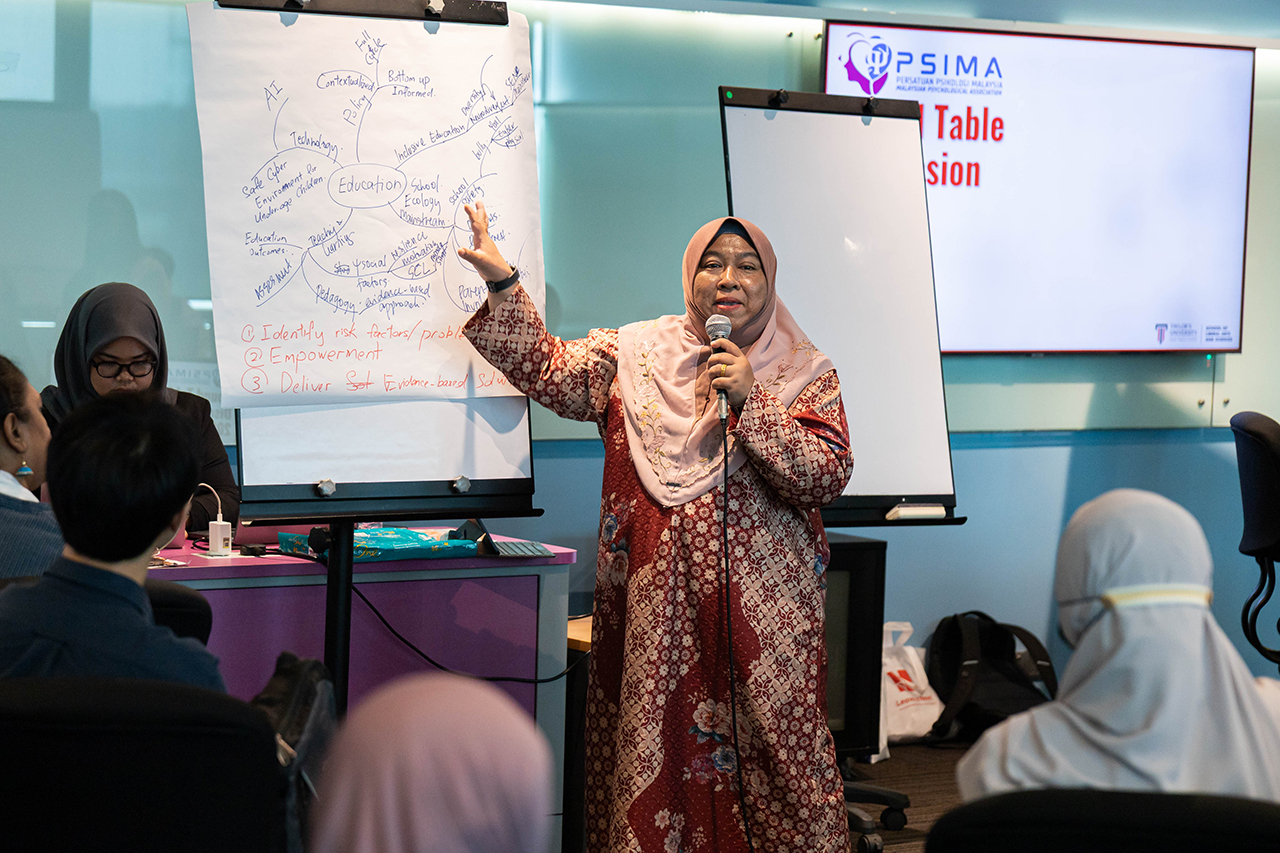
The outcomes from the discussions will contribute to recommendations to be presented to the Prime Minister’s Office (PMO) during the Malaysian International Psychology Conference in May 2026.
By hosting the event, APU reinforced its role as an active contributor to national development, strengthening collaboration with universities, industry experts, and policymakers in areas including mental health, AI ethics, workforce resilience, sustainability, ageing support, and social cohesion.
Following the roundtable, APU also convened an Academic Council session and the Psychology Academic Council Annual General Meeting, uniting Heads and Deans of Psychology nationwide to align on education priorities, professional standards, and the cultivation of future-ready psychological competencies.
APU extended its sincere appreciation to PSIMA, the Psychology Academic Council, the university’s senior leadership, and the School of Psychology (SoP) team led by Ms Vinorra Shaker (Head of SoP), Ms Dhevaania C. Gendsen, Ms Amirah Husna Mohamad Hata Ab, and Ms Subashini Ganesan (Psychology Lecturers) as key contributors to this event.
The commitment of APU Psychology Society volunteers including Siham Ahmed Abdirahman, Salma Noor, Tahiyat Haque, Angelina Rose, Sienna Rudo Mutelo, Shreesha Kalaiselvan, Nur Qurratu’Ayun Mohamad Azman, and Sharifah Zahleya Aljaffri Syed Jan Aljaffri was also instrumental to the success of the event.
Hosting the national roundtable reflects APU’s commitment to impactful education, research excellence, and nation-building.
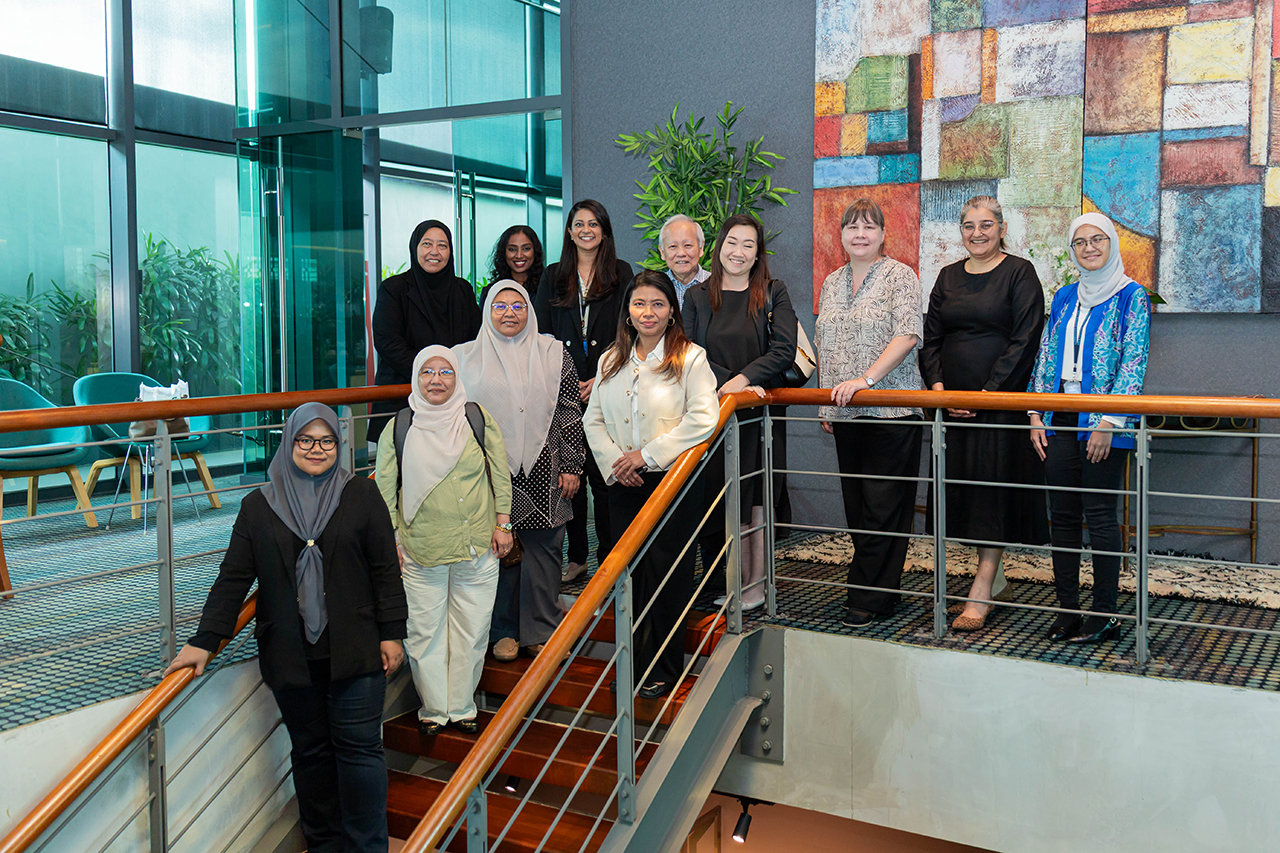
Through this initiative, APU continues to advance psychology as a cornerstone of Malaysia’s 2026–2030 development agenda, contributing to a stronger, more resilient, and compassionate society.
News & Happening
Download e-Brochures
Intake Calendar
Want to know more ?
Let’s Connect