Strategic Research Institute leads initiative to position Malaysian academic journals for global visibility through MyCite and Scopus indexing.

The Strategic Research Institute (SRI) at the Asia Pacific University of Technology & Innovation (APU) continues to strengthen Malaysia’s research ecosystem by advancing the international visibility of locally published academic journals.
On 23 January 2026, SRI hosted a high-impact sensitisation talk aimed at guiding Malaysian academic publishers on how to elevate their journals to internationally recognised standards.
The session brought together APU’s editorial teams and research leaders to explore strategic pathways towards indexing in the Malaysian Citation Index (MyCite) and ultimately Scopus, one of the world’s most influential research databases.
The session provided valuable insights into how Malaysian journals can enhance their research visibility, strengthen editorial governance, and align with global publishing standards.
Showcasing APU’s Multidisciplinary Research Strength
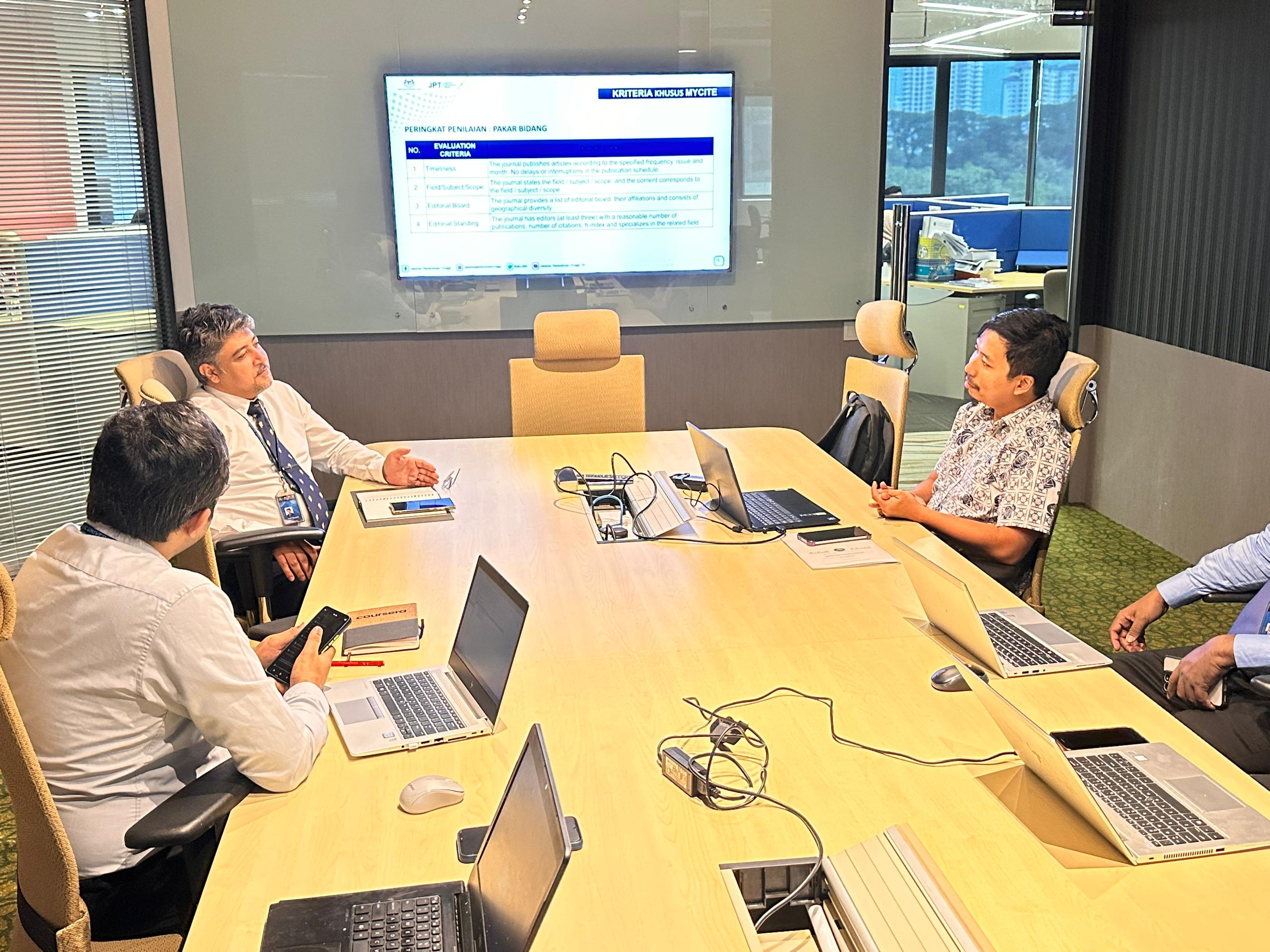
Delivering the opening address, Professor Dr Mohammad Falahat, Director of SRI, introduced the institute’s research direction and reaffirmed APU’s commitment to academic excellence and impactful scholarship.
He highlighted two of APU’s flagship multidisciplinary journals: the Journal of Applied Technology and Innovation (JATI) and the Electronic Journal of Business and Management (EJBM). Both journals reflect the university’s strong emphasis on interdisciplinary research spanning technology, innovation, business and management.
Professor Falahat also introduced the dedicated editorial and research teams behind these publications, emphasising that robust academic governance and collaborative scholarship are key to building globally recognised research platforms.
Building the Foundation: The Role of MyCite
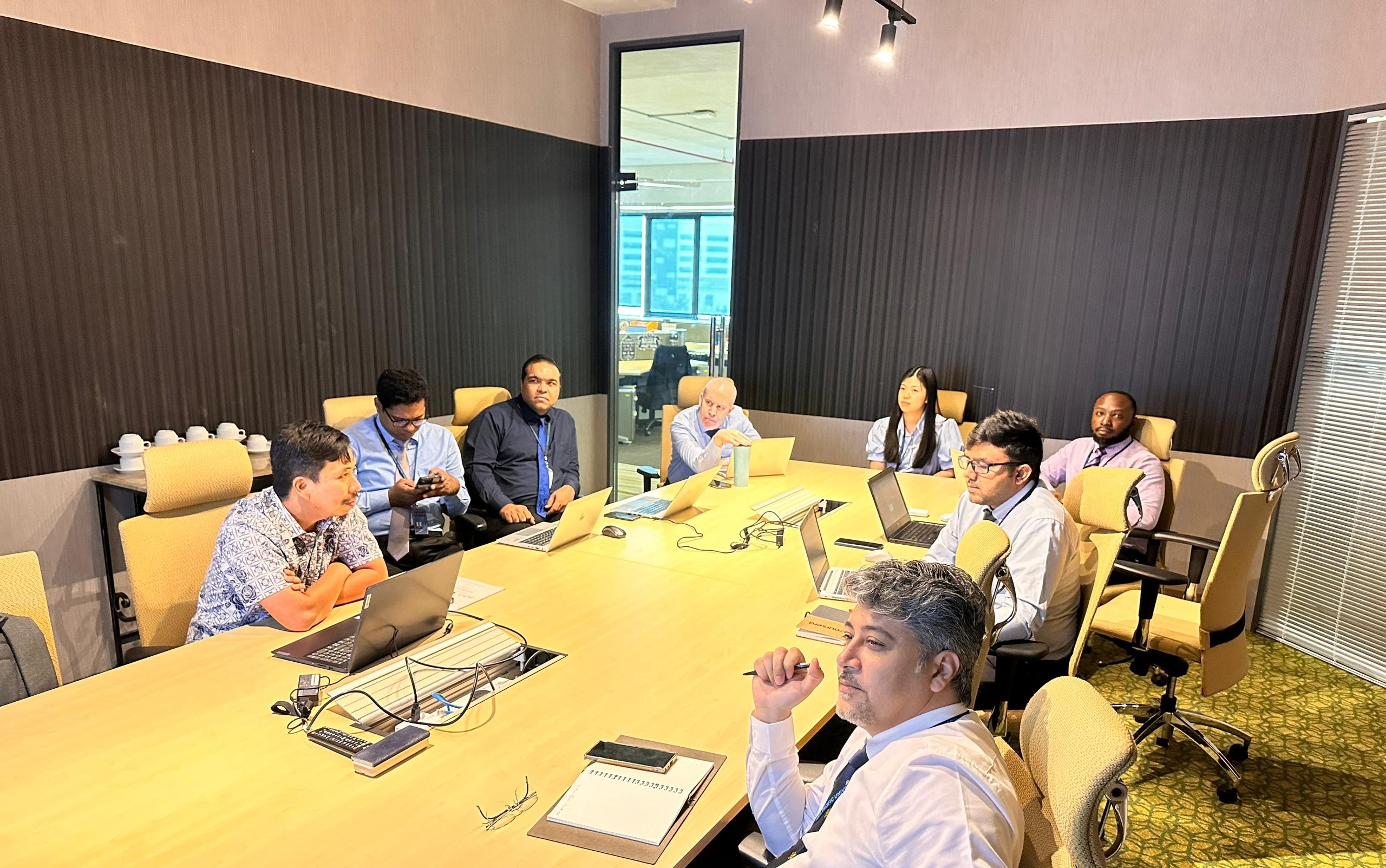
The keynote briefing was delivered by Dr Mohd Farhanulhakim, Senior Principal Assistant Director at the Higher Education Research Excellence Division, Infometrics Citation Centre, Ministry of Education.
During the session, Dr Farhanulhakim outlined the essential requirements for Malaysian journals seeking inclusion in MyCite, which serves as a crucial stepping stone towards international indexing.
He explained that journals must demonstrate a consistent publication record of at least two years or four consecutive issues, alongside rigorous double-blind peer review processes, diversity among editorial board members and authors, and strong ethical transparency in publishing practices.
“These requirements are designed to ensure that Malaysian journals maintain high standards of academic integrity and editorial quality,” he noted.
Malaysia’s Rising Global Research Visibility
Dr Farhanulhakim also shared encouraging developments in Malaysia’s research publishing landscape. Following the integration of the MySitasi system with Open Journal Systems (OJS), Malaysian journals have significantly improved their global visibility.
In a notable milestone, the number of Malaysian journals indexed in Scopus increased from five in 2024 to 20 in 2025, demonstrating the growing international recognition of the country’s academic publications.
He encouraged APU’s editorial teams to follow this pathway, noting that the university’s journals are already making strong progress.
APU Journals Poised for Scopus Indexing
In a particularly encouraging development, Dr Farhanulhakim revealed that EJBM and JATI have already exceeded key citation benchmarks typically required by Scopus.
Generally, Scopus-indexed journals in business disciplines require approximately 400 citations, while technology-related journals often require around 1,000 citations. Both APU journals have already surpassed these thresholds, indicating strong potential for Scopus indexing within the next two to three years.
The session concluded with an engaging question-and-answer discussion, where participants explored topics ranging from editorial board internationalisation to partnerships with global publishing houses.
Dr Farhanulhakim noted that while collaborations with major publishers such as Springer or Emerald can be beneficial, they are often prohibitively expensive. Instead, he strongly recommended leveraging Open Journal Systems (OJS), a widely used and cost-effective platform supporting many high-impact journals worldwide.
Strengthening Digital Infrastructure for Global Impact
As a final strategic recommendation, Dr Farhanulhakim advised APU’s editorial teams to further enhance the journals’ digital presence. This includes prominently displaying Scopus IDs of editorial and advisory board members on journal websites to improve transparency and credibility among international contributors.
With clear strategic direction and a highly engaged editorial community, APU’s research journals are well-positioned to advance towards global academic recognition.
Through initiatives led by SRI, APU continues to reinforce its role as a hub for high-quality, globally relevant research, contributing to Malaysia’s growing reputation in the international scholarly landscape.
News & Happening
Download e-Brochures
Intake Calendar
Want to know more ?
Let’s Connect