APU’s Research Clinic strengthens scholarly thinking by guiding academics to identify meaningful research problems, develop impactful studies, and navigate the evolving role of artificial intelligence in research and publication.
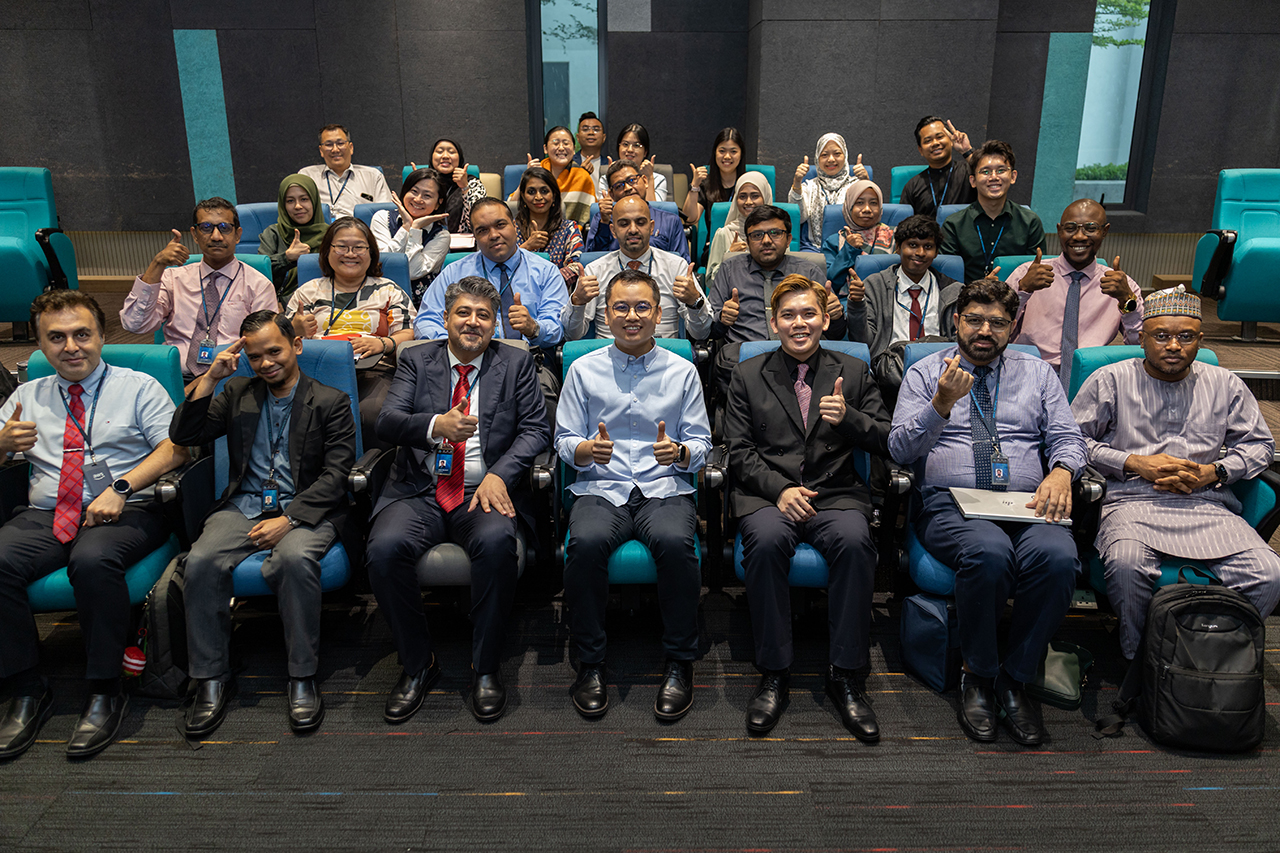
The Strategic Research Institute (SRI) at the Asia Pacific University of Technology & Innovation (APU) recently convened a focused Research Clinic titled “Identifying Research Problems: Finding Novelty for High Impact Publication in the Age of Artificial Intelligence”, bringing together academics for an engaging exchange on one of the most fundamental questions in research: how does a scholar transform a broad topic into a meaningful, researchable, and publishable study?
Held on 17 April 2026 at APU’s campus, the clinic reflected the University’s broader ambition to strengthen its research ecosystem and cultivate impactful scholarship grounded in real-world relevance. The session underscored that high-impact research is not built on abstract ideas alone, but on the disciplined ability to identify pressing problems, uncover meaningful gaps, and generate insights that contribute to academia, industry, society, and policy.
A Practical Perspective on Research Excellence
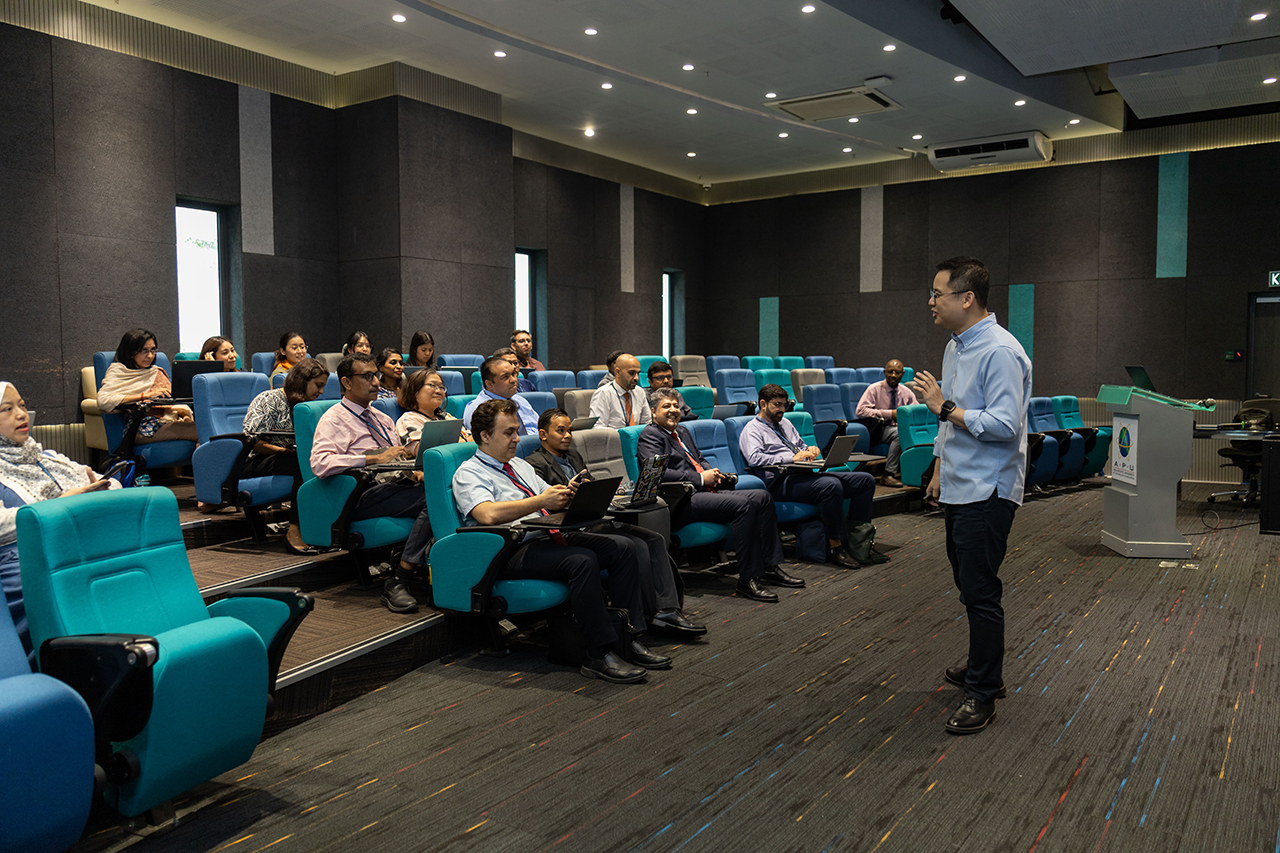
The session was led by Prof Dr Cham Tat Huei, Professor of Marketing at Swinburne University of Technology, Sarawak Campus and APU Senior Research Fellow. Recognised among the world’s Top 2% Highly Cited Researchers in Business, Management and Marketing by Elsevier and Stanford, he has authored more than 160 publications in leading international journals.
Drawing from his extensive editorial and publication experience, Prof Dr Cham delivered a clear message to participants: “Novelty is not claimed; it is earned by showing what remains unresolved, why it matters, and how the study can respond with evidence.”
The clinic encouraged academics to view research and publication not merely as personal academic milestones but as meaningful contributions to knowledge creation, scholarly dialogue, peer validation, and societal advancement.
Moving Beyond Broad Topics
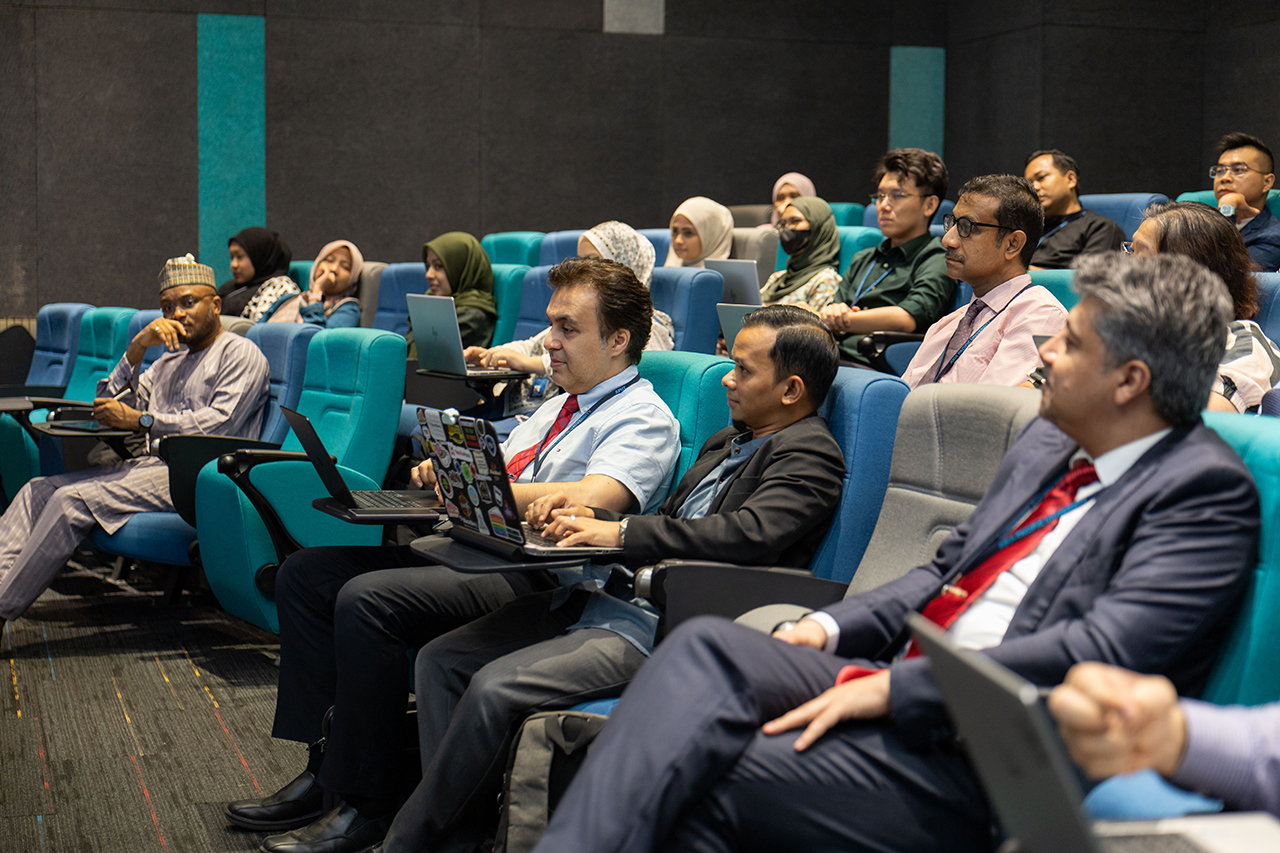
One of the key discussions centred on the distinction between a general issue and a true research problem. While topics such as artificial intelligence adoption, digital transformation, climate stress, unemployment, or educational challenges are undeniably important, the session highlighted that such themes are often too broad without proper refinement.
Participants were encouraged to narrow their focus by identifying specific populations, contexts, mechanisms, evidence bases, and outcomes. According to the speaker, a research problem becomes valuable when it is sufficiently focused, practically relevant, and capable of generating a measurable scholarly contribution.
This perspective resonated strongly with APU’s multidisciplinary research strengths across its seven research clusters, spanning areas such as AI and digital transformation, business and sustainability, social sciences and psychology, engineering and technology, creative digital media, financial innovation, and education technology and future skills development.
The clinic also encouraged academics to view APU’s wider ecosystem, including industry collaborations, teaching environments, professional communities, and emerging societal challenges, as a living research laboratory where practical concerns can evolve into impactful scholarly studies.
Understanding Research Gaps in the AI Era
Another major focus of the clinic was the concept of research gaps and how they contribute to publication quality.
Participants explored various forms of gaps, including theoretical, methodological, contextual, empirical, evidence-based, and practical-knowledge gaps. However, the session stressed that identifying a gap alone is insufficient. For research to be impactful, scholars must demonstrate why the gap matters, how it relates to existing literature, and what theoretical or practical value the study can contribute.
The conversation became especially timely in the age of artificial intelligence. While AI tools can assist researchers through literature scanning, keyword mapping, and identifying thematic patterns, the clinic reinforced that human judgement remains central to meaningful scholarship.
Prof Dr Cham explained, “AI can support the process as a scoping and organising assistant, especially in locating clusters, contradictions, and recent debates. However, every claim must still be checked against sources because novelty depends on the researcher’s reading, judgement, and argument.”
The session reminded participants that AI may accelerate certain research processes, but it cannot replace critical thinking, conceptual understanding, or the ability to determine whether a research problem is genuinely worth investigating.
Encouraging Purposeful Scholarship
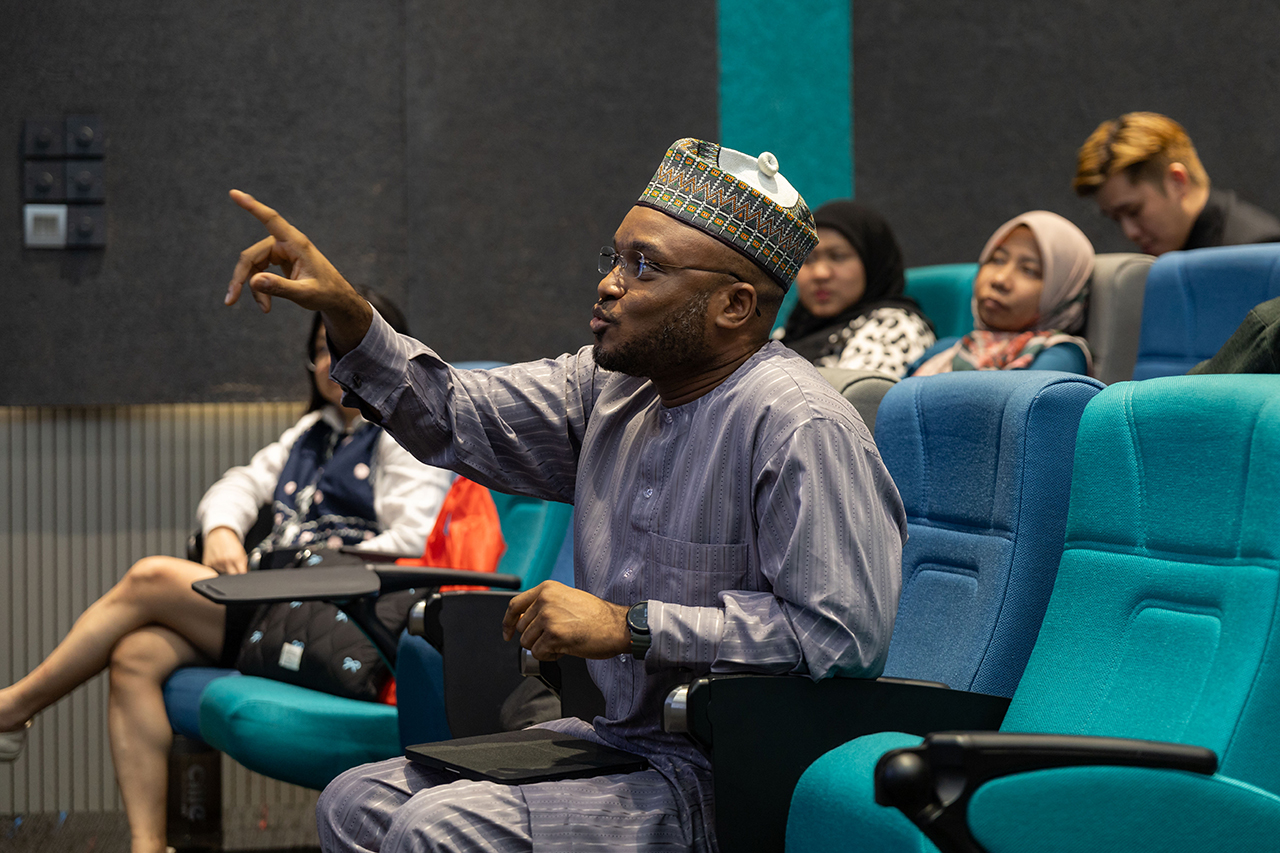
The clinic also featured an interactive dialogue session, where APU academics raised practical questions surrounding publication challenges and research development.
Addressing concerns about identifying authentic research problems, Prof Dr Cham noted:
“A real research problem must identify a specific tension, population, context, mechanism, or unresolved issue that can be investigated. If it cannot lead to focused objectives, accessible data, and a clear contribution, it still needs to be narrowed.”
He further advised researchers to avoid overcomplicating studies with excessive variables, emphasising that high-impact journals often favour theoretically meaningful and practically relevant models over unnecessary complexity.
Where appropriate, he suggested that stronger novelty may emerge through cross-country, cross-cultural, or multi-context research designs, particularly when such comparisons reveal meaningful differences in behaviours, systems, policies, or institutional practices.
Strengthening APU’s Research Culture
The session concluded with encouragement for APU academics to begin their research journey from authentic issues emerging within industry, education, policy, technology, and community practice, transforming them into focused scholarly inquiries capable of generating both publication quality and real-world impact.
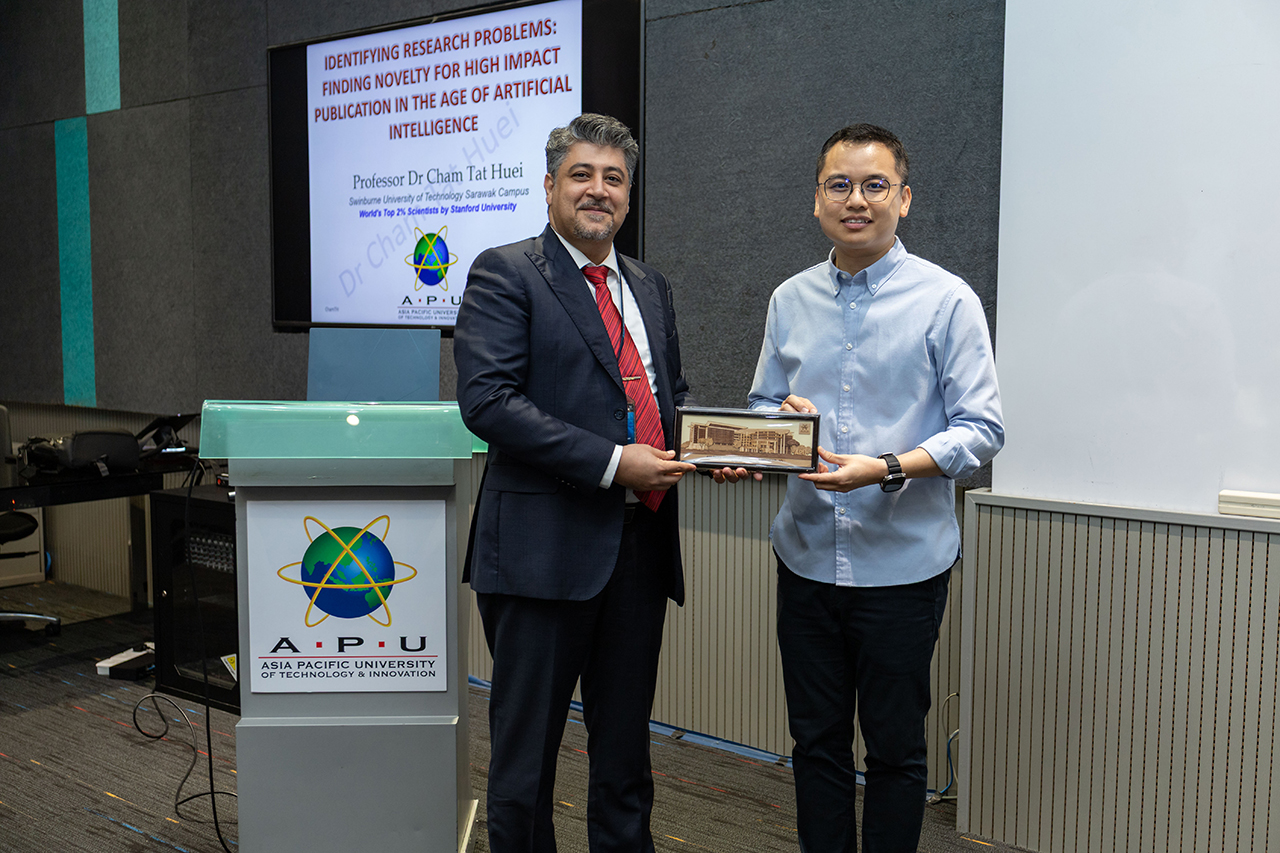
The clinic closed with a token of appreciation presented by Prof Dr Mohammad Falahat, Director of SRI, to Prof Dr Cham, reflecting SRI’s ongoing commitment to nurturing a research culture grounded in mentorship, scholarly rigour, and impactful publication.
By the end of the session, participants departed with a stronger understanding that impactful research does not begin with journal selection, but with the ability to recognise meaningful problems, engage critically with literature, and position scholarship where it can make a credible difference.
News & Happening
Download e-Brochures
Intake Calendar
Want to know more ?
Let’s Connect